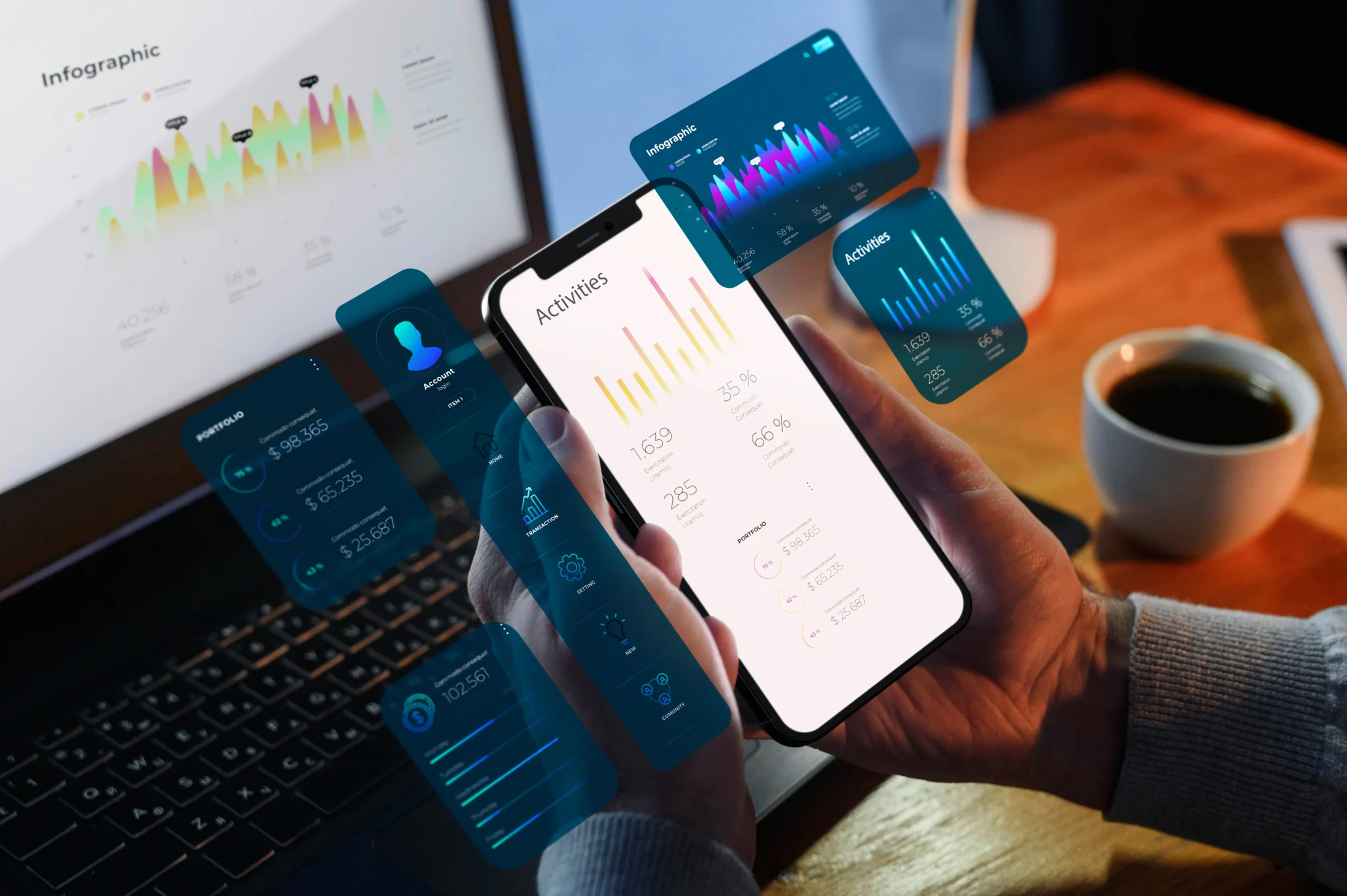
Omnichannel banking integrates all customer touchpoints-such as mobile apps, websites, ATMs, and branches-into a cohesive system. This allows customers to initiate a transaction on one channel and seamlessly complete it on another without any disruption or need to repeat information. Real-time data synchronization ensures that every interaction is informed by the customer’s history and preferences, providing a personalized and efficient banking experience.
Why Omnichannel Banking Matters Today
In today’s digital landscape, customers expect consistent and personalized service across all platforms. Omnichannel banking meets these expectations by providing a unified experience, enhancing customer satisfaction, and fostering loyalty. More than half of customers engage with three to five channels during each journey they take toward making a purchase or resolving a request. For banks and credit unions, it’s not merely about adopting new technologies but about transforming the customer journey to build trust and remain competitive in a rapidly evolving market.
Omnichannel vs. Multichannel: What’s the Difference?
While both approaches involve multiple channels, the key difference lies in integration.
Multichannel Banking:
- Offers various channels (e.g., online, mobile, branch) that operate independently.
- Lacks synchronization, leading to fragmented customer experiences.
- Customers may need to repeat information when switching channels.
Omnichannel Banking:
- Integrates all channels, ensuring seamless transitions between them.
- Provides a consistent and personalized experience across platforms.
- Utilizes shared data to anticipate customer needs and preferences.
By adopting an omnichannel approach, banks can eliminate silos, enhance customer satisfaction, and streamline operations.
By adopting an omnichannel approach, banks can eliminate silos, enhance customer satisfaction, and streamline operations.
What’s Driving the Shift to Omnichannel Banking?
1. Changing Customer Expectations
Modern customers demand flexibility, speed, and personalization in their banking experiences. They expect to access services anytime, anywhere, and through their preferred channels. Omnichannel banking addresses these expectations by providing a consistent and responsive service across all touchpoints.
2. Competitive Pressure
The rise of fintech companies and digital-first banks has intensified competition in the financial sector. These new entrants offer innovative and user-friendly services, setting high standards for customer experience. Traditional banks must embrace omnichannel strategies to stay relevant and meet evolving customer demands.
3. Need for Operational Efficiency
Integrating channels reduces redundancies and streamlines processes, leading to cost savings and improved efficiency. Real-time data sharing minimizes errors and enhances decision-making, allowing banks to operate more effectively and respond swiftly to customer needs.
4. Data-Driven Decision Making
Omnichannel banking provides a comprehensive view of customer interactions, enabling banks to analyze behavior and preferences across all channels. This data-driven approach allows for personalized offerings, targeted marketing, and proactive service, ultimately enhancing customer engagement and loyalty.
Building Blocks of a Strong Omnichannel Strategy
1. Integrated Data Architecture
A unified data system ensures that customer information is consistent and accessible across all channels. This integration eliminates data silos and enables real-time updates, providing a seamless customer experience.
2. Unified Platform for All Channels
Implementing a centralized platform allows for consistent functionality and user experience across mobile apps, websites, branches, and other touchpoints. This uniformity simplifies maintenance and enhances scalability.
3. Seamless User Experience
Consistency in design, navigation, and functionality across channels ensures that customers can easily transition between platforms without confusion or disruption.
4. Real-Time Customer Context
Real-time data synchronization enables staff and systems to access up-to-date customer information, allowing for personalized interactions and timely support.
5. Advanced Analytics for Better Targeting
Some banks almost tripled commercial campaign conversion rates after upgrading their models and integrating traditional static customer profiles with more granular, high-frequency variables and triggers derived from real-time behaviors.
Enablers of Omnichannel Banking
Branch Digitization
Modern branches are evolving into advisory centers, equipped with digital tools to enhance customer service. Features like paperless transactions, video consultations, and personalized services based on real-time data are becoming standard.
Mobile-First Experiences
With the increasing use of smartphones, mobile banking apps must offer comprehensive functionalities, including account management, payments, and personalized alerts, to meet customer expectations.
Video and Remote Services
Video banking enables customers to interact with advisors remotely, providing convenience and maintaining a personal touch. This service is particularly beneficial for complex transactions or consultations.
Social Media Integration
Banks are leveraging social media platforms for customer engagement, support, and feedback collection. Integrating these channels into the omnichannel strategy enhances accessibility and responsiveness.
Advanced Analytics
Utilizing analytics tools allows banks to gain insights into customer behavior, preferences, and needs. This information supports personalized marketing, risk management, and product development.
Common Challenges in Omnichannel Transformation

- Legacy Systems: Outdated infrastructure can hinder integration and data sharing across channels.
- Siloed Departments: Lack of collaboration between departments can lead to inconsistent customer experiences.
- Data Privacy Concerns: Ensuring data security and compliance with regulations is critical when integrating multiple channels.
- Limited Budgets: Implementing an omnichannel strategy requires significant investment in technology and training.
- Inconsistent Policies: Uniform policies and procedures across all channels are essential to maintain consistency and compliance.
How to Implement an Omnichannel Banking Strategy
- Start with a Clear Roadmap: Define objectives, assess current capabilities, and outline the steps needed to achieve an integrated banking experience.
- Audit Current Systems and Journeys: Identify existing gaps, redundancies, and areas for improvement in customer interactions.
- Invest in the Right Technology: Choose scalable and flexible platforms that support integration, data analytics, and real-time communication.
- Unify Data and Backend Systems: Consolidate customer data into a centralized system to ensure consistency and accessibility across channels.
- Train Teams for Omnichannel Thinking: Educate staff on the importance of a unified customer experience and provide training on new tools and processes.
- Launch in Phases: Implement the strategy incrementally, starting with high-impact areas, to manage risks and gather feedback.
- Measure the Right Metrics: Track key performance indicators to assess the effectiveness of the omnichannel strategy and identify areas for improvement.
Measuring Omnichannel Success: Key Metrics
- Time to Complete Common Tasks Across Channels: Assess efficiency and identify bottlenecks in customer interactions.
- Channel-Switching Frequency and Drop-Offs: Monitor how often customers switch channels and where they abandon processes.
- Customer Satisfaction (CSAT) and Net Promoter Score (NPS): Evaluate overall customer satisfaction and loyalty.
- Cross-Channel Sales Conversion Rates: Measure the effectiveness of marketing and sales efforts across different platforms.
- Cost per Interaction per Channel: Analyze the cost-effectiveness of each channel to optimize resource allocation.
- Long-Term Retention and Share of Wallet: Track customer loyalty and the extent of their engagement with the bank's products and services.
The Future of Omnichannel Banking
- AI-Powered Personalization at Scale: Leveraging artificial intelligence to deliver tailored experiences based on individual customer data.
- Voice and Gesture-Based Banking Interfaces: Implementing innovative interaction methods to enhance accessibility and convenience.
- Hyper-Local, Contextual Offers Based on Real-Time Data: Providing location-specific promotions and services to meet immediate customer needs.
- Increased Regulation and Compliance Frameworks: Adapting to evolving legal requirements to ensure data security and customer trust.
- Unified Employee Platforms for 360° Service Delivery: Equipping staff with comprehensive tools to access customer information and deliver consistent service.
Why Omnichannel Is a Must for Modern Banking
Omnichannel banking is essential for financial institutions aiming to thrive in a competitive digital-first environment. By embracing a unified approach to customer engagement, banks and credit unions can enhance customer satisfaction, improve operational efficiency, and drive business growth. As customer expectations continue to evolve, adopting an omnichannel strategy will not only differentiate financial institutions but also position them as trusted partners in their customers’ financial journeys.
Get Started with Omnichannel Banking
The journey to omnichannel banking requires careful planning, investment, and a commitment to improving customer experiences. By taking the first steps toward integrating and enhancing your customer touchpoints, you can begin delivering an experience that not only meets but exceeds customer expectations.
Are you ready to build a customer-centric, omnichannel banking environment? Reach out to us to explore how our solutions can help you integrate channels seamlessly and create more meaningful customer relationships.