In today’s fast-moving world, customers expect more than just a place to park their money. They want banking to feel personal—like it’s built just for them. Retail banking has evolved beyond basic transactions, and digital platforms are at the heart of this change. These tools don’t just make banking easier; they make it more relevant. Personalization is no longer a luxury-it’s a necessity. So, what can we learn from digital banking platforms about delivering tailored experiences that keep customers coming back? Let’s explore.
Why Personalization Matters in Retail Banking
Think about the last time you walked into a store where the staff knew your name and preferences. It felt good, right? That’s the kind of connection people now expect from their banks, even online. Customers are tired of one-size-fits-all solutions-generic loan offers, savings plans that don’t fit their goals, or alerts that clog their inbox. Personalization flips this on its head. It’s about understanding what each customer needs and delivering it at the right moment.
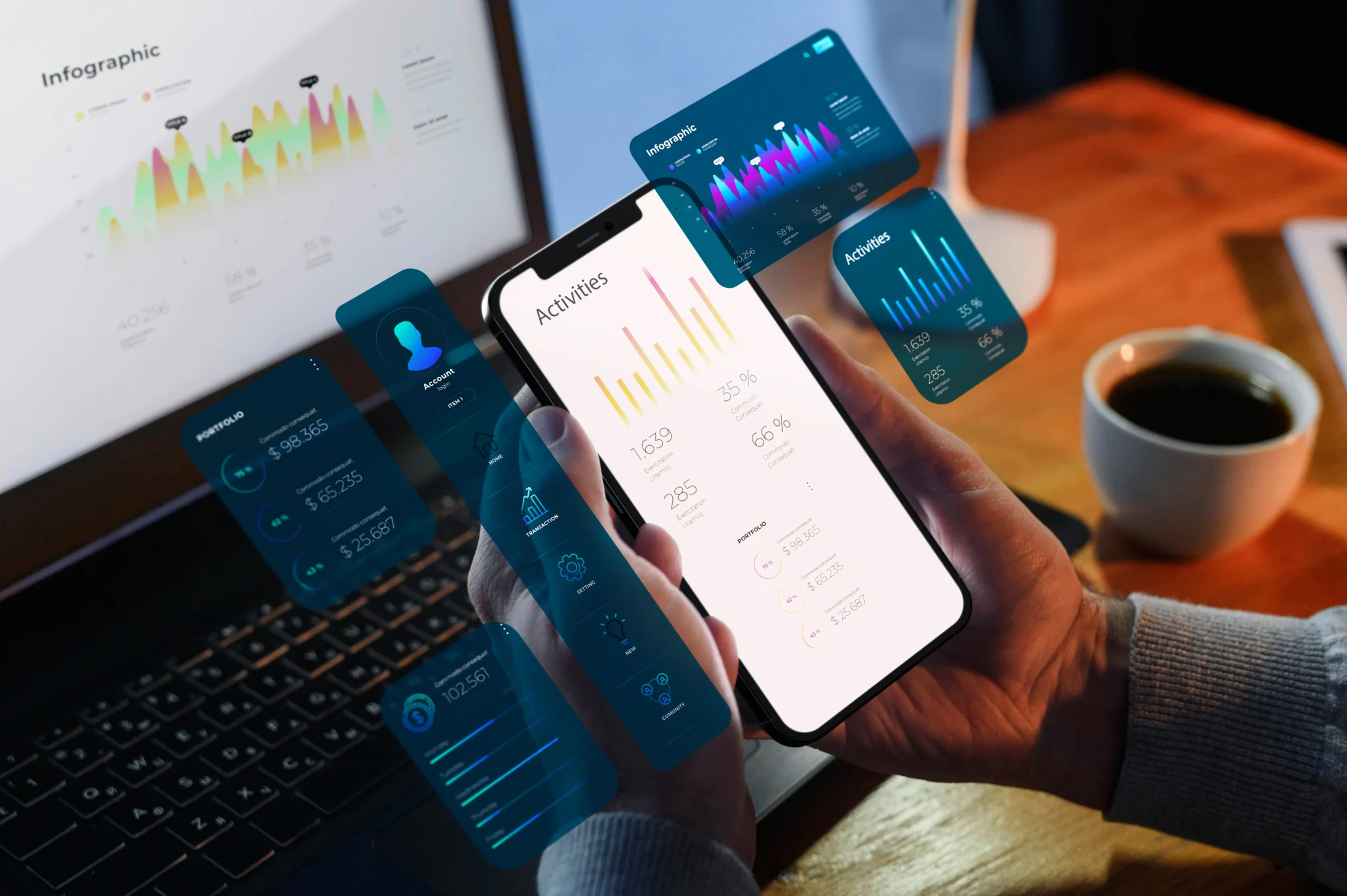
Digital platforms make this possible by tapping into data-things like spending habits, life milestones, or even how often someone checks their balance. The result? A banking experience that feels less like a service and more like a partner. A 2023 report by Dynamic Yield, a Mastercard company, found that 86% of financial institutions consider personalization a priority in their digital strategy, and 92% intend to expand their investment in it.
Personalization in banking has been shown to drive significant revenue growth. According to a study by McKinsey & Company, personalization can lead to a 10 to 15 percent revenue lift depending on the sector and execution capabilities.
Lesson 1: Know Your Customer, Really
The first step to personalization is knowing who’s on the other side of the screen. Digital banking platforms like Appzillon, built by i-exceed, shine here. They pull together a full picture of the customer-transactions, preferences, even their preferred channels-without making it complicated. For example, if someone’s saving for a house, the platform can spot that pattern and suggest a mortgage option before they even ask.
This isn’t about bombarding people with offers. It’s about timing and relevance. A young professional might get tips on managing student loans, while a small business owner sees tools for tracking expenses. The best part? It’s seamless. Customers don’t need to dig through menus—the platform brings the right options to them.
Lesson 2: Speed Meets Relevance
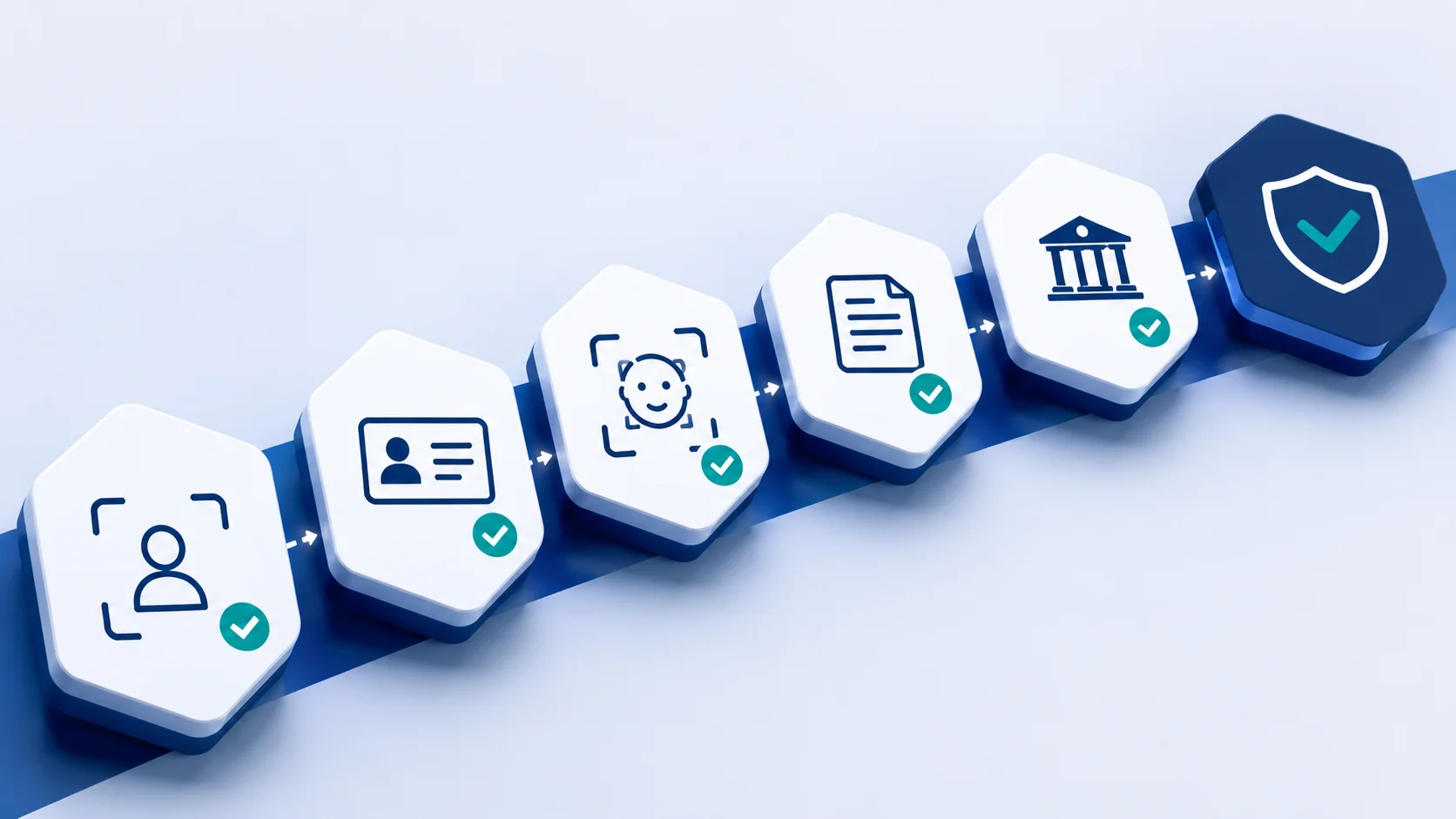
In retail banking, speed is king, but it’s useless without meaning. Digital platforms balance both. Take onboarding-a process that used to mean stacks of paperwork and branch visits. With tools like Appzillon Retail Banking, customers can open accounts in minutes, with forms pre-filled based on what the system already knows. It’s fast, yes, but it’s also smart. The platform asks only what’s needed, cutting the hassle and building trust from day one.
This blend of speed and relevance extends to everyday banking too. Need a quick loan? The platform can assess eligibility based on your history and offer terms that fit your life-no generic rates. It’s efficiency with a personal touch, and that’s what keeps customers engaged.
Lesson 3: Empower Customers with Choice
Personalization isn’t about pushing products—it’s about giving control. Digital platforms let customers decide how they want to bank. Some prefer mobile apps for quick checks; others want a desktop view for deeper planning. A good platform adapts to both. Appzillon, for instance, offers a consistent experience across devices, so customers feel at home whether they’re on a phone or laptop.
Choice goes beyond channels. It’s in the products too. A customer might see a savings plan with flexible withdrawals because the platform knows they value liquidity. Another gets a high-interest option because they’re a long-term saver. By offering tailored choices, banks show they’re listening—and that builds loyalty.
Lesson 4: Keep It Simple, Keep It Human
Technology can do wonders, but it shouldn’t feel cold. The best digital banking platforms keep things simple and human. Alerts about low balances come with tips to avoid fees. Budget tools show spending in clear visuals, not confusing charts. Even loan offers arrive with plain explanations—no fine print traps.
This simplicity matters. Customers don’t want to decode their banking app—they want to use it. Platforms like Appzillon Retail Banking prioritize clean design and intuitive flows, so personalization feels natural, not forced. It’s like having a conversation with a friend who knows you well, not a robot spitting out options.
The Road Ahead for Retail Banking
Personalization is reshaping retail banking, and digital platforms are leading the charge. They’re not just tools; they’re bridges connecting banks to customers in ways that feel meaningful. The lessons are clear: know your customer, deliver fast and relevant solutions, offer real choices, and keep it simple. Banks that get this right will stand out in a crowded market.
At i-exceed, we’ve seen this firsthand with Appzillon. It’s built to make banking personal without the complexity—helping banks worldwide turn data into experiences that matter. As retail banking trends evolve, one thing won’t change: people want to feel seen. Digital platforms are how we make that happen, one customer at a time.