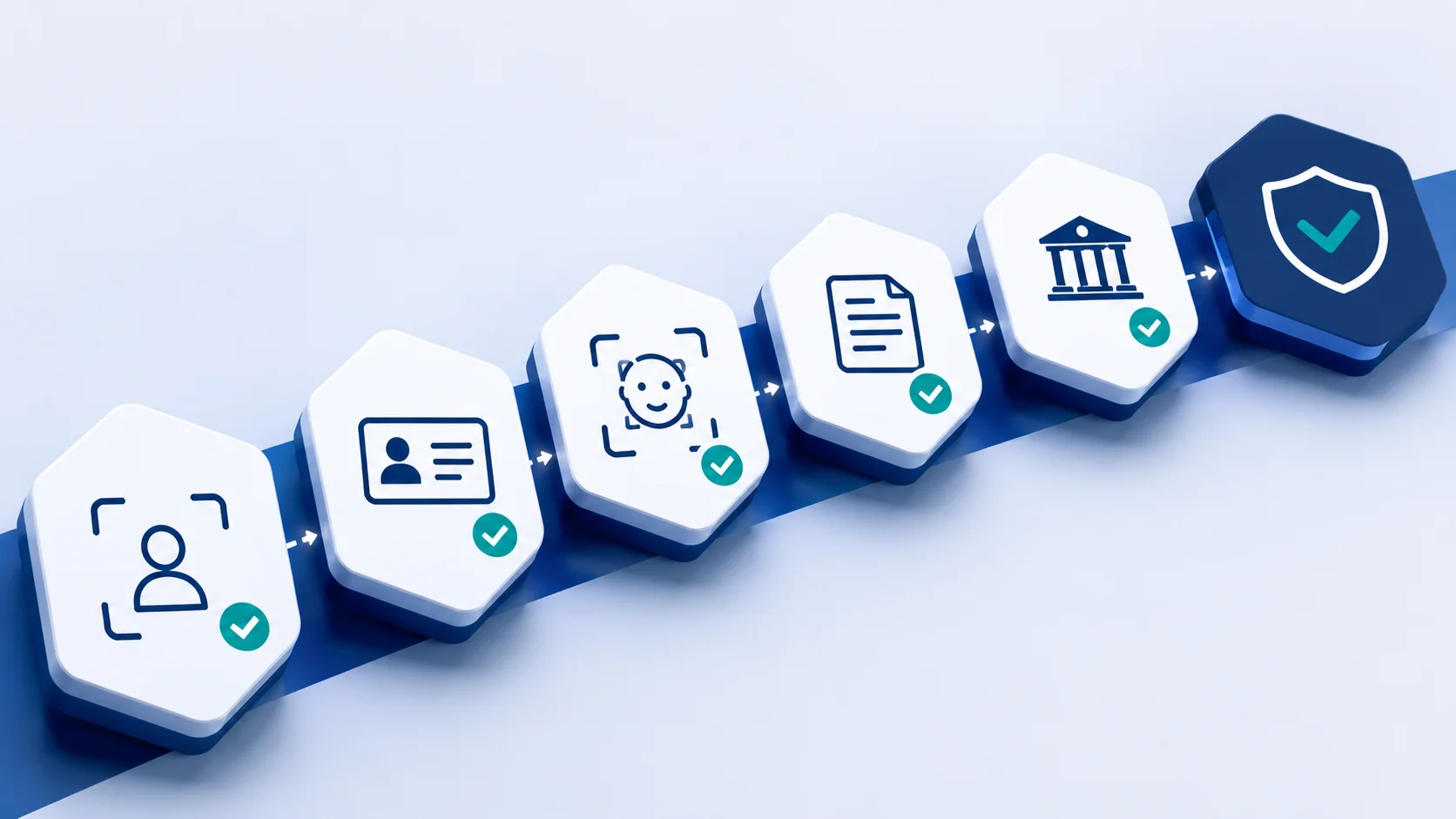
In today’s digital payment age, convenience often comes with an increased vulnerability to payment. Imagine being tricked by a voice that sounds exactly like your CFO. That has become the reality of today’s deepfake scams. In a recent incident, a German company fell victim to this where a fraudster imitating the CEO’s voice tricked the staff into authorizing a large wire transfer to an external account. Nearly 20% of companies with global annual revenue of over US$10bn reported a financial loss of over US$50 million in 24 months, according to PwC’s 2022 survey.
In our previous blog, we explored the various types of payment fraud plaguing today’s financial landscape. The final blog of our series will now arm banks and users with the knowledge to combat the threats and illustrate the strategies and counter technologies to keep hard-earned money safe.
Building a Layered Fortress for Payments
Imagine a high-security vault protecting your valuables. Payment fraud prevention adopts a similar approach with layered security by utilizing a combination of technologies.
Encryption and Tokenization: Encryption and tokenization are two techniques which when can easily prevent data leakage of sensitive information. Encryption functions by scrambling sensitive data such as credit card numbers during transactions, rendering it unreadable to unauthorized parties without the corresponding decryption key. Tokenization takes a different approach altogether, by replacing actual card details not with gibberish but with a unique identifier or token. The token itself does not hold any useful data but can be accessible only through a secure link between the token and the original information.
Strong Authentication: Banks have already pushed past the days of simple passwords replacing them with Multi-Factor Authentications (MFA). MFA strengthens the bank’s security by requiring users to provide multiple levels of identification such as passwords, One Time passwords (OTPs), fingerprints and facial scans to verify their identity. With multiple layers of protection in place, MFA reduces the risk of unauthorized access even when one factor is compromised.
Behavioural Biometrics: While MFAs have become the standard norm for banks, Fintechs are already at the threshold with their new approach for user identification – behavioural biometrics. Going beyond traditional biometrics, this extra layer calls for the analysis of the user’s behavioural pattern, such as typing speed and swiping habits, to identify anomalies potentially indicative of fraud.
Velocity & Location Monitoring: Velocity refers to the speed and frequency of transactions, while location denotes identifying geographical locations from where a transaction is attempted. Combining analysis of transaction velocity and location helps banks to instantly identify any divergence in the spending pattern of the customer. Although combining the two factors might keep any casual theft at bay, a sophisticated hacker could potentially make the transactions spread out in a generic pattern temporally and geographically.
Fraud Detection and Analysis: Spotting the Red Flags
Like seasoned detectives, banks, in collaboration with fintech, employ innovative tools to identify and prevent fraud, safeguarding both their assets and those of their customers.
Central to these efforts are fraud scoring models, that assign risk scores to transactions based on factors like purchase history, location, and usual spending patterns. Fintech assigns Machine Learning and AI algorithms as securities for the banks to analyze vast amounts of data in real-time and block transactions by detecting even minute anomalies and patterns indicative of fraudulent activity. This alerting mechanism is designed to notify banks in real-time and, in some cases, customers of potentially fraudulent activity.
In regions like the UK where open banking regulations like PSD2 are live, there is also a growing focus on utilizing open APIs for secure data sharing between banks and third-party providers. This immensely enhances fraud detection capabilities by allowing a more comprehensive view of the user’s payment activity.
By extracting the expertise of innovative fintech technologies for proactive monitoring, banks can stay one step ahead of sophisticated fraudsters and ensure the security of both individual accounts and the broader financial ecosystem.
Fraud prevention in the hands of Banks
Applying strong and updated technology is only one piece of the puzzle. Regular training of the bank’s workforce is essential in equipping them with the latest tools and knowledge of evolving threats. Identifying and reporting suspicious activities, restricting access to sensitive data based on roles and responsibilities, and understanding the latest ways of fraudsters are some of the fundamental responsibilities that banks must take upon themselves to employ.
Similarly, minimizing opportunities for insider fraud and strict and regular data security audits to ensure best practices must be followed to safeguard sensitive information.
Your Money, Your Responsibility
Even after banks and fintech join powers to avoid data breaches and prevent malware and hacking attempts, cases, where customers fall prey to tactics like social engineering and phishing scams, are quite common. Therefore, parallel to the bank’s staff, customers must also be equipped with the knowledge to identify common phishing techniques and mistakes. Platforms like Appzillon alert users to change their pins and passwords regularly and offer easy-to-read materials on simple and powerful ways to protect their assets.
Similarly, users must safeguard their payment information by avoiding sharing credit card details on unsecured networks. Finally, regular monitoring of accounts and promptly reporting suspicious activity allows banks to investigate and potentially prevent further losses.
The Future of Fraud Prevention
Fintech is constantly coming up with innovative technologies for advanced data analytics, blockchain technologies and newer application levels for machine learning algorithms to detect and prevent fraud attempts in real-time. Similarly, collaboration with fraud consortiums allows banks to share information about fraudulent activities, creating a more comprehensive defence network.
The fight against fraud is an ongoing battle, and technology is constantly evolving to stay ahead. By working together, banks, customers, and technology providers can create a strong ecosystem that safeguards our financial transactions.
Learn more about how Appzillon safeguards your bank and its customers. Schedule a demo to experience safe banking!