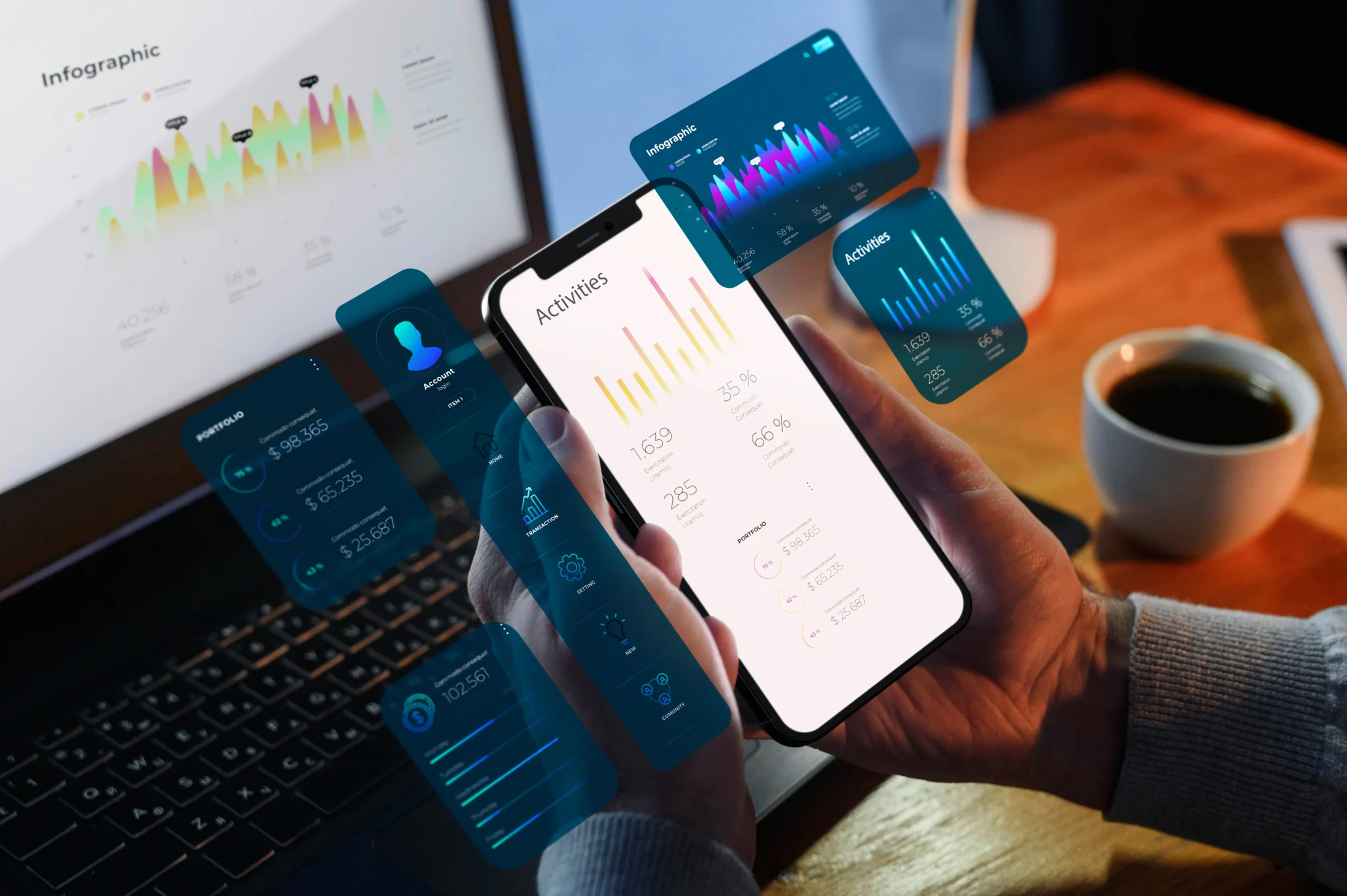
Are you in awe of your Netflix user experience and wished banking felt the same?
Ponder no further. Hyper personalization (the Netflix feel) is already making inroads into digital banking.
Hyper personalization is the aspect that allows a business to offer bespoke products and services beyond mailers with first names or generic segmentation.
Imagine your bank suggesting personalized products and services, based on the relationship, usage patterns, and preferences you have shared with it. This is made possible with the help of machine learning (ML) models. The data-driven insights that banks derive through analytics help in delivering contextual and timely suggestions that delight customers.
While personalization segments people based on age, demographics, profession, or other generic parameters, hyper personalization focuses on psychographic data and real-time engagement. To put things in perspective, imagine Starbucks transitioning from writing names on coffee-to-go cups to leveraging user preferences collected from apps and its website to offer personalized offers! Therefore, creating an ideal enterprise persona for your customers (Gartner Article) is the perfect path to pick.
Why hyper personalization?
Today, business landscapes offer customers a plethora of service providers to choose from which also includes the entry of new players that were previously not considered competition. Hence, the struggle of retaining customers and onboarding new ones is very real and rapidly increasing. And the scale at which digital transformation has taken place in all walks of life has made the customer more comfortable in sharing information under the assumption that their data is secure in exchange for custom user journeys. Therefore, a one-size-fits-all approach will turn out to be a roadblock for banks looking to create a unique brand identity.

What’s in it for banks?
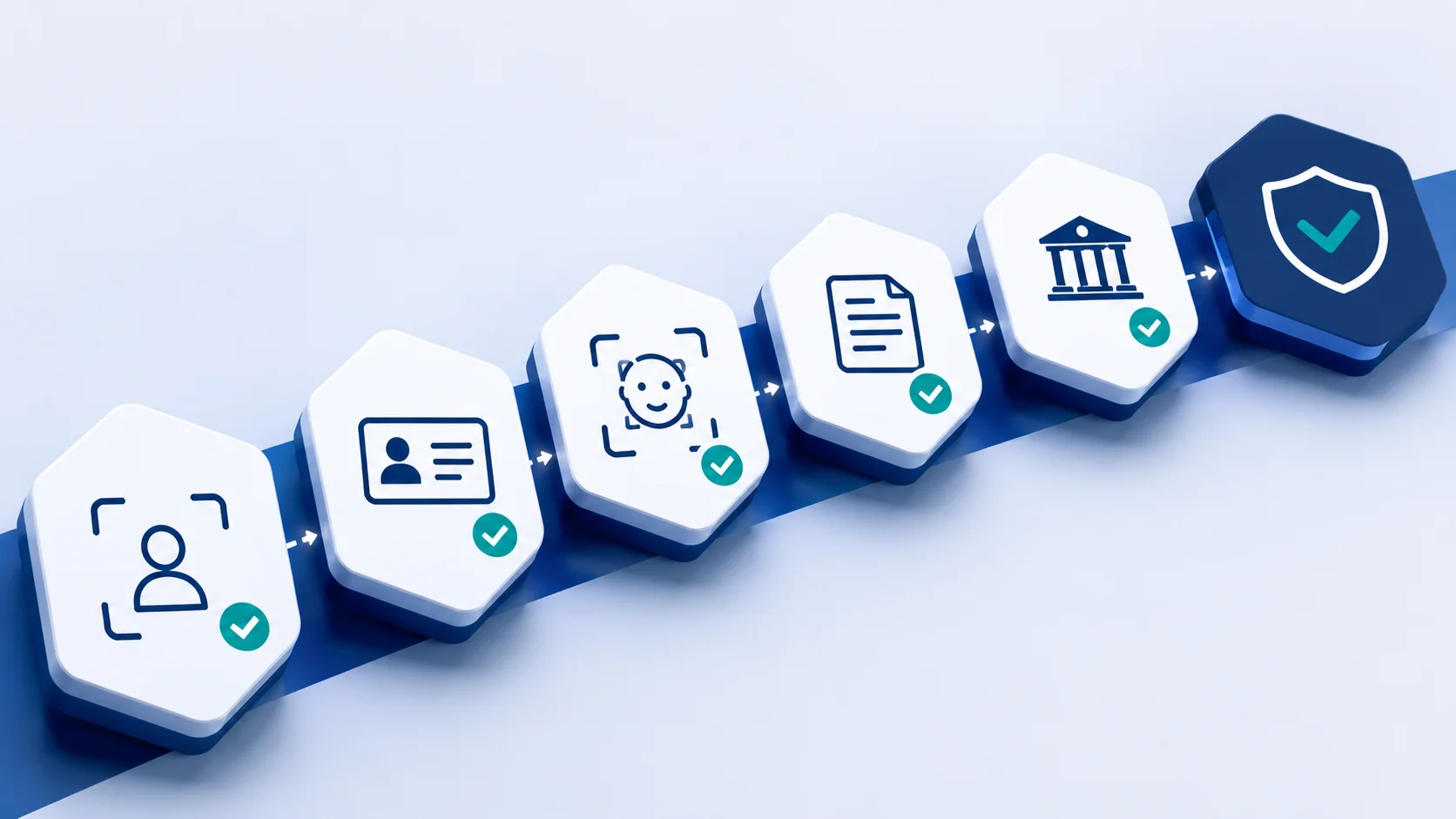
Hyper personalized banking has assured Elizabeth’s safety and has made her a loyal customer. Observing the process flow depicted, the marriage of hyper personalization and banking leads to the following:
- Personalized product recommendations – Identifying spending patterns, financial goals, and custom landing pages based on customer data.
- Customized communication – Customers receive notifications at times when it is contextually appropriate instead of a bunch of messages they receive regularly, most of which are irrelevant to them.
- Tailored financial services – Customers are contacted with loan offers only when they qualify as a perfect candidate for the suggested loan.
- Real-time fraud detection – Following the customer’s banking pattern and constantly detecting any suspicious activity, banks can avoid any misinterpreted blocking of cards and potentially fraudulent activities.
What’s Holding Your Bank Back?
To begin with, banks struggle to differentiate between ‘understanding’ and ‘knowing’ a customer while figuring out how to make sense of the vast ocean of data that they already have. A lot of this boils down to how relationships are established between data sets that were previously considered unrelated to derive new insights. It must also be noted that the capture of data must always be ethical without scaring away the customer. With all this in consideration, leveraging the right machine learning models is of utmost importance.
Secondly, winning customer trust is crucial for a bank’s digital transformation. Cautious customers can be hesitant in sharing personal information on a digital platform fearing phishing, hacking, or fraudulent activities. By the introduction of multi-stage security features banks can ensure high levels of data protection.
Finally, hyper personalization in banks will eventually lead to the breaking down of data silos. Integration of the currently fragmented data segments will deliver insights that evolve in depth and accuracy as time passes.
In short, banks’ focus on hyper personalization will result in a paradigm shift starting from the approach followed for customer support and management to data utilization. Although GDPR, FTC rules, and other data protection policies limit the collection and usage of customer data, banks can continue to utilize the customer 360 model they prefer. It is important to remember that the personalized experience you are offering should not be purely based on objective data but on interpreting this data. It needs to provide what the user is seeking to make them feel cared for.
Find the answer to your bank’s hyper personalization needs with Appzillon. Schedule a demo today to speak with our experts